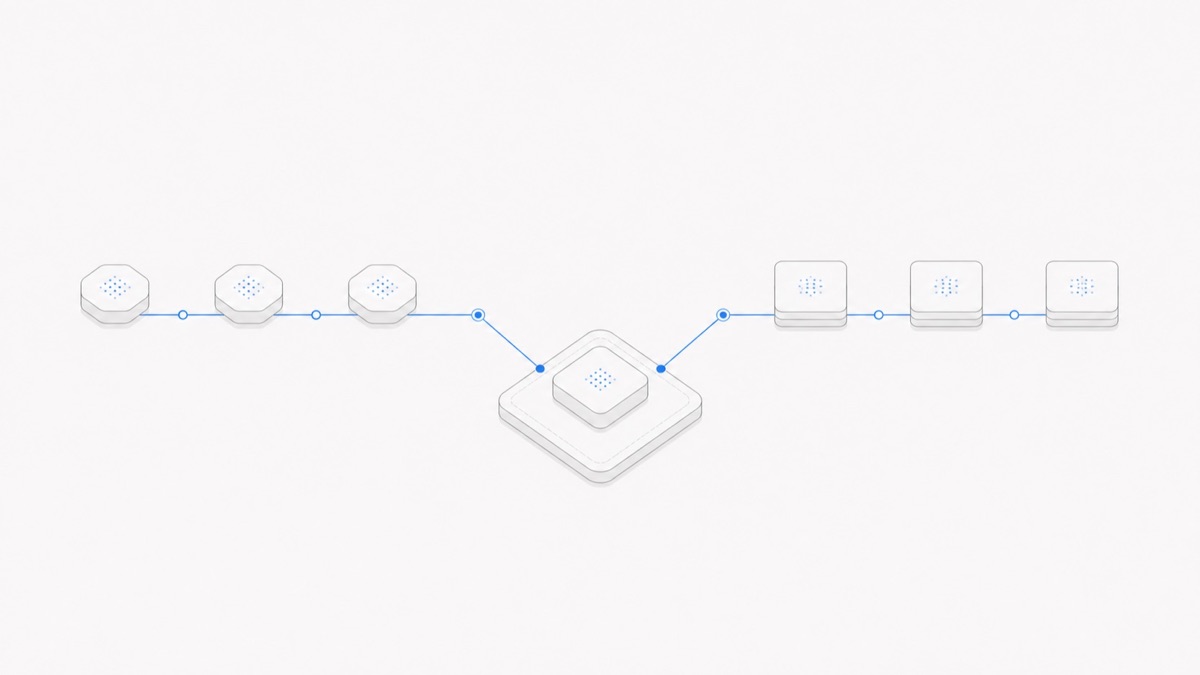
Choose OpenCode when an open-source harness and broad model/provider choice are primary requirements. Choose OpenAI Codex when you want an OpenAI-centered agent experience across its official CLI, IDE, app, or web surfaces and your existing ChatGPT or API path fits the work. Neither is a universal winner: the model, product surface, permissions, runtime, and task can change the result.
The fairest OpenCode vs Codex comparison holds the repository state, task, acceptance test, and—where possible—the model conditions constant. Otherwise, it is easy to attribute a model or environment difference to the harness.
The short answer
This is a starting rule, not a quality ranking. Run a controlled test when the accepted code result matters more than ecosystem fit.
Both are agent harnesses, not models
OpenCode and Codex organize multi-step coding work. They collect context, invoke models, expose tools, manage permissions, edit files, observe command results, and continue toward an outcome. That makes them agent harnesses.
A model is only one layer inside that loop. A provider authenticates and serves the model. The product surface decides where a person starts the task and reviews the work. The surrounding runtime controls files, processes, network access, and persistence.
If an OpenCode run uses one model and a Codex run uses another, the outcome measures both the harness and the model/provider difference. The agent harness versus model guide explains how to keep those decisions separate.
OpenCode vs Codex at a glance
Last verified: September 1, 2026. Recheck the linked official documentation before choosing a product or account path.
The table describes product contracts, not permanent capability limits. Both projects change quickly. A feature in one OpenCode release or Codex surface should not be assumed to exist everywhere under the brand.
Model choice, providers, and authentication
OpenCode makes provider choice explicit. Its official provider documentation describes support for more than 75 providers through the AI SDK and Models.dev, including local and custom endpoints. Users connect a provider, then choose an exact provider/model-id exposed to that environment.
That breadth creates flexibility, not automatic compatibility. A provider connection can differ in pricing, rate limits, context, tool calling, data handling, and model IDs. A route appearing in a catalog does not prove it will execute an agentic coding task reliably. The detailed guide to OpenCode models and providers shows how to validate the live /models result rather than copying a static list.
OpenCode authentication can include direct API keys, supported subscription logins, or optional OpenCode services such as Go and Zen. The open-source harness does not make those inference routes free. Each route has its own account, limits, and commercial terms.
Codex's official path is more OpenAI-centered. The Codex repository recommends eligible ChatGPT sign-in and also documents an API-key alternative. OpenAI's CLI, IDE, app, and web experiences can expose different models and account behavior. A custom CLI configuration should not be treated as evidence that the same provider or model works in every Codex surface.
The practical choice is therefore:
- choose OpenCode when changing providers without changing the harness is a core requirement;
- choose Codex when OpenAI's product surfaces, account governance, and supported model path match the organization;
- verify the real model and billing route at runtime rather than relying on a product name.
Permissions, tools, and project instructions
OpenCode's current permission system supports allow, ask, and deny, including pattern-based rules for tools and commands. Rules can be applied globally and refined for individual agents. OpenCode also supports project instructions and specialized agents with their own prompts, models, and tool permissions.
Codex uses sandbox and approval boundaries to control operations such as file edits, commands, network access, and work outside the current project. OpenAI's official permission documentation distinguishes modes that ask before crossing a boundary from broader access modes. The exact labels and behavior can differ between CLI, IDE, app, and managed environments.
Neither configuration is “safe” merely because a rule exists. For each harness, verify:
- which directory is writable;
- which commands can run without review;
- whether network access is enabled;
- what MCP servers, hooks, plugins, or external tools can reach;
- where provider credentials are stored;
- whether a child agent inherits, narrows, or independently defines permissions;
- how a denied or failed tool call is reported.
A fair comparison aligns material permission differences. If OpenCode can edit and use the network while Codex is read-only, the result does not isolate harness quality.
Local, cloud, and workspace ownership
OpenCode starts as a local tool, but its architecture separates client and server. The official server documentation says the TUI communicates with an HTTP server, and users can run a standalone server with an OpenAPI endpoint. Desktop, IDE, web, or self-hosted arrangements still require someone to operate that server, protect it, update it, and decide where project data persists.
Codex also spans multiple runtime shapes. The CLI runs on the user's machine. Official IDE and app experiences can interact with local projects. Codex Web/cloud runs work in provider-managed environments. Those surfaces should be compared independently because file access, persistence, interruption, and authentication differ.
OpenCode's self-hosting flexibility does not automatically provide a durable team Workspace. Conversely, using a managed Workspace does not automatically reproduce every native OpenCode or Codex feature. The article on OpenCode local, self-hosted, and managed cloud paths separates the harness from the environment that keeps files, Sessions, previews, and access controls.
Ask five operational questions:
- Where does the code execute?
- What survives after the client disconnects?
- Who patches and monitors the runtime?
- How does another person receive the files, diff, tests, and open risks?
- Which system is the durable source of truth?
These answers often decide the product before a model comparison does.
Which one should you choose?
Choose OpenCode when:
- you need broad provider and model choice as a product feature;
- you want to inspect or modify the harness;
- local or self-hosted operation is an intentional responsibility;
- OpenCode's agent, permission, Skill, MCP, and client/server configuration fits your workflow.
Choose Codex when:
- your organization already governs OpenAI or eligible ChatGPT access;
- you need a particular official Codex CLI, IDE, app, or cloud workflow;
- using OpenAI-supported defaults matters more than provider portability;
- the selected Codex surface already meets the task's runtime and review requirements.
Consider using both when independence is valuable. One harness can implement a bounded change and the other can review the saved diff and test evidence. Use separate starting states for a head-to-head test; do not let both edit the same mutable files concurrently and call the result controlled.
Run a fair OpenCode vs Codex test
Use this protocol instead of comparing two screenshots:
- Create two isolated copies from the same commit.
- Write one requirement with explicit exclusions and an acceptance command.
- Record the exact OpenCode and Codex versions and product surfaces.
- Align the model class where possible, and disclose any provider or model difference.
- Align file, command, network, and tool permissions.
- Give both runs the same intervention and stopping rules.
- Compare correctness, diff size, tests, retries, elapsed time, human repair, and official usage records separately.
- Repeat on another representative task before setting a team-wide default.
Do not invent a composite score unless the weights reflect your real decision. A regulated team may weight permission evidence and data paths above speed. A solo prototype may value setup time and model flexibility more heavily.
Using OpenCode and Codex in Agent.Space
Agent.Space separates the Agent harness from the model and keeps supported Sessions around a project Workspace. That can make sequential use practical: one Session produces a reviewed change, then another harness inspects the saved files and explicit handoff evidence.
The second Session does not automatically inherit the first agent's hidden reasoning, and concurrent Sessions do not imply private branches or automatic conflict resolution. Keep file ownership, starting state, and acceptance responsibility explicit.
Agent.Space is independent from OpenCode and OpenAI. Its current interface—not either upstream catalog—determines which Agents, models, and managed capabilities are available. This comparison therefore helps choose a harness; it does not promise native feature parity, shared provider accounts, or identical billing.
Open Agent.Space and start one small, reversible task with an available harness before choosing a default for higher-risk work.