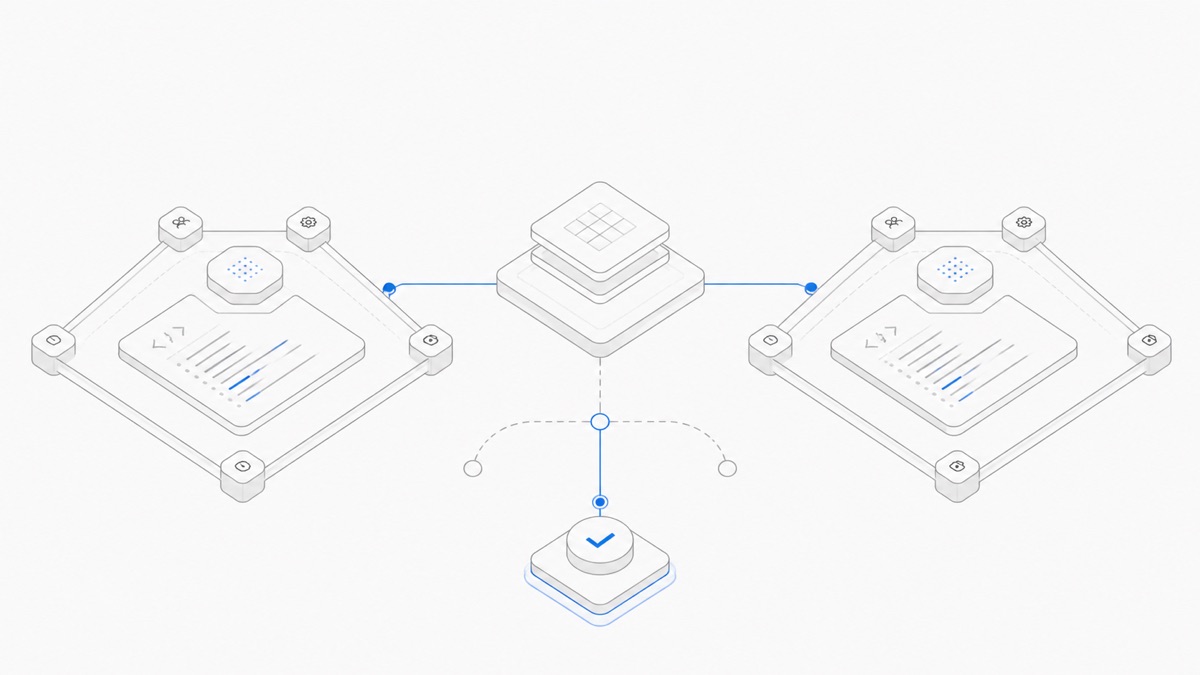
The best OpenAI Codex alternative depends on what you need to replace. Claude Code offers an Anthropic-backed coding workflow. OpenCode emphasizes an open-source, provider-flexible harness. Grok Build offers an open-source terminal agent in the Grok ecosystem. DeepSeek Harness targets developers who want a plugin-first, local-first runtime. A managed Workspace such as Agent.Space solves a different problem: operating supported harnesses with durable project context.
This is a documentation-based comparison, not a benchmark. Codex spans CLI, IDE, app, and web/cloud surfaces, so compare the exact surface, access path, model, permissions, and task you intend to replace.
Keeping Codex is also an option. Its CLI, SDK, and App Server are open source, and its configuration supports custom model providers and local Ollama or LM Studio models. Needing inspectable code or another inference route does not by itself require a new harness. Those capabilities do not make every Codex interface open source or guarantee model compatibility and feature parity across surfaces.
The short answer
Start with the blocker that made you search for a Codex alternative:
This is a shortlist by workflow, not a claim that each option has the same features or quality. Products such as AI-first IDEs and code-completion extensions can also replace part of a Codex workflow, but they are outside this article's narrower focus on agent-style task execution.
Define what “alternative” needs to replace
Codex is not one model or one interface. OpenAI's official Codex repository describes a local CLI and points users to Codex in an IDE, the desktop app, and Codex Web. The CLI can use eligible ChatGPT access or an API-key path. Those surfaces may differ in runtime, persistence, permissions, and billing.
Before building a shortlist, name the layer that is failing:
- Agent harness: Do you want a different planning, tool-use, editing, or verification loop?
- Model and provider: Do you need a wider model catalog or another provider's account and governance path?
- Product surface: Do you prefer terminal, IDE, desktop, browser, or mobile review?
- Runtime: Should work happen on your machine, in a vendor cloud, or in infrastructure you operate?
- Commercial path: Are you choosing a subscription, seat, API key, model gateway, or managed Workspace?
- Team workflow: Do you need isolated tasks, saved project files, review evidence, roles, and handoff across people or agents?
An alternative can be strong at one layer and irrelevant at another. Moving from Codex CLI to an AI IDE changes the editor and supervision model. Moving from Codex to another terminal harness changes the agent loop. Keeping Codex but placing it in a managed Workspace changes the operating environment rather than the harness.
If an editor-first product is already on your shortlist, use the focused Codex vs Cursor comparison. If the decision is centered on GitHub, IDE assistance, and agent workflows, use Codex vs GitHub Copilot. Those pages own the two-product decisions; this article owns the broader alternatives map.
A workflow-first shortlist
Claude Code: an Anthropic-backed counterpart
Anthropic's Claude Code overview covers terminal, IDE, desktop, and web/cloud experiences. Access depends on the surface and account; its deployment options include Claude subscriptions, Anthropic Console, and supported cloud providers. Changing the inference host is different from changing to a non-Claude model.
Evaluate Claude Code first when you already operate Anthropic accounts, need a Claude-native feature, or want a similar coding-agent category with different provider governance. Do not assume that the same model, permission behavior, or persistence applies across its terminal, desktop, and web surfaces.
For a focused two-product analysis, use the existing Codex versus Claude Code comparison. That page covers the head-to-head decision; this article keeps Claude Code as one option in a wider shortlist.
OpenCode: open harness and provider choice
OpenCode's provider documentation describes a system built on the AI SDK and Models.dev, with local and custom routes alongside hosted providers.
Choose OpenCode when model/provider flexibility, inspectable source, and self-operated configuration are central requirements. The harness being open source does not make inference free, and a provider listed upstream is not proof that every model works for every tool-using task. Credentials, model IDs, tool support, rate limits, and data terms remain provider-specific.
OpenCode can also run through a local server and support different clients. That flexibility increases operational responsibility. The guide to running OpenCode locally, self-hosted, or in a managed Workspace explains who owns the runtime, updates, network, credentials, and persistence in each path.
Grok Build: open-source terminal agent and Grok ecosystem
SpaceXAI open-sourced Grok Build in July 2026. Its official repository covers a full-screen TUI, file and shell tools, extensions, headless operation, and editor embedding through ACP. Grok Build also names a web/mobile app-building experience; do not transfer features between these surfaces by name alone.
Evaluate Grok Build when you want its terminal workflow, extension system, or Grok-centered product path. Do not treat the harness name as a model benchmark. The model, inference route, runtime, and interface still need to be recorded separately.
DeepSeek Harness: plugin-first runtime in developer preview
DeepSeek's official Harness repository describes an open-source agent harness built on an everything-is-a-plugin architecture. It is a candidate when you need to compose the runtime itself, not merely use a DeepSeek model in an existing tool.
The official project remains in developer preview and warns of compatibility-breaking changes. Review the DeepSeek Harness architecture and current limits before treating it as a stable drop-in replacement.
Agent.Space: managed Workspace rather than a clone
Agent.Space is an independent managed Workspace where supported Agent harnesses, Sessions, saved files, and review context can live around a project. It is relevant when the real Codex blocker is not the upstream model or agent loop, but operating persistent environments, changing harnesses, or handing work to another person.
That is not a claim of native feature parity. An upstream account, model, plugin, or product surface does not automatically appear inside Agent.Space. The current product selector and public materials are the source of truth for supported Agents and models.
Which path fits common Codex blockers
Use the blocker rather than a feature count.
A common mistake is replacing the harness when the real issue is a plan limit, provider credential, or missing cloud environment. Another is switching providers when the actual problem is weak task definition or absent tests. Diagnose the constraint before paying the migration cost.
What does not make a fair comparison
Avoid conclusions based on:
- one product using a stronger or newer model;
- different repository commits or uncommitted starting files;
- one run having broad shell/network access while the other is approval-gated;
- different prompts, acceptance tests, or human interventions;
- comparing a local CLI with a remote cloud task without naming the runtime difference;
- plan prices without recording which allowance or API meter actually funded the task;
- one successful demo with no repeat, regression test, or human repair record.
These differences may still matter to your purchase. They simply mean the result measures a complete configured workflow, not the harness name alone.
How to test two alternatives yourself
Use a small comparison that another person could reproduce.
- Choose one representative task. Include the requirement, excluded changes, and exact acceptance command.
- Include your current Codex setup. Give it and each candidate separate repository copies or Workspaces from the same commit.
- Record the conditions. Note harness version, product surface, model, provider, authentication path, permissions, tools, and date.
- Limit intervention. Give each run the same clarification and stopping rules.
- Measure the accepted result. Record correctness, diff scope, tests, elapsed time, retries, human repair, and officially reported usage separately.
- Repeat before generalizing. One task can select a tool for that task; it cannot establish a permanent global winner.
If a candidate requires extensive setup before this small test, count that as operating cost. If it produces a convincing answer but cannot create a reviewable diff or pass the acceptance command, it has not completed the coding job.
The bottom line
Keep Codex when configuration or another native surface resolves the blocker. Otherwise, evaluate the shortlist against that baseline and count migration, configuration, and review effort. Agent.Space is relevant only when the managed Workspace layer is useful; it is not required to compare the upstream tools, and this shortlist does not imply that every candidate is available there.
Recheck official documentation before adopting any option. Interfaces, authentication, models, limits, and preview status can change quickly, and none of the choices above is a universal performance ranking.
Open Agent.Space and start one small, reversible task with the available harness that best matches your constraint before adopting it for higher-risk work.